
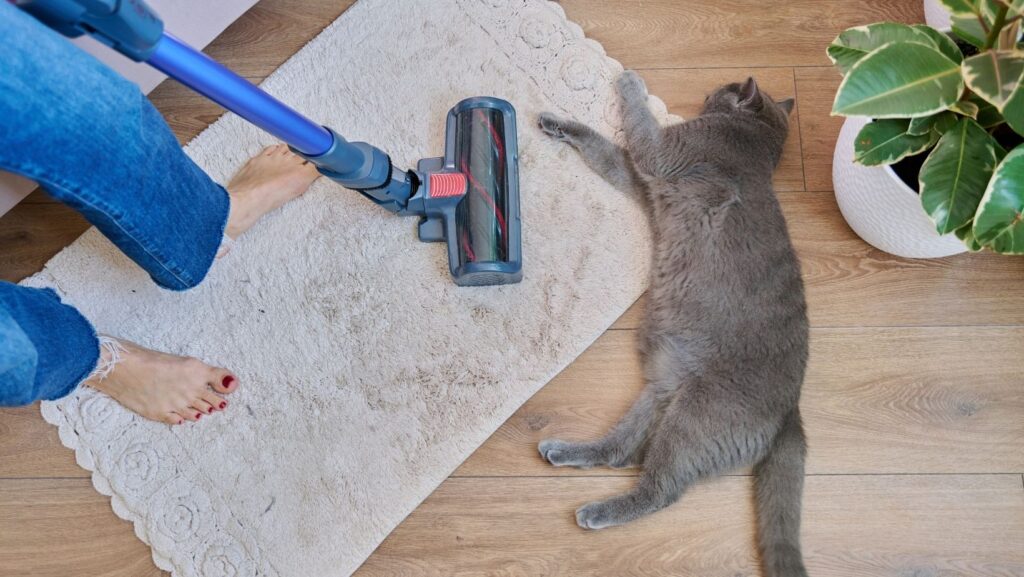
Living with pets means living with pet hair, dander, and the kind of ground-in debris that ordinary vacuums simply aren’t built to handle. If you’ve searched for a pet vacuum cleaner and come away more confused than when you started, you’re in good company. The right choice has far less to do with marketing claims and far more to do with understanding your home’s surfaces, how heavily your pets shed, and how much time you can realistically put into upkeep.
Why Pet Homes Demand More from a Vacuum
Pet hair doesn’t behave like dust or crumbs. It weaves into carpet fibers, clings stubbornly to upholstery, and gathers along baseboards and in corners where standard suction barely reaches. Fine dander particles — often invisible to the naked eye — can settle deep into soft furnishings and recirculate through the air, making them a genuine concern in allergy-sensitive households. Think about the difference between a single short-haired dog and a home with three cats spread across mixed flooring: the challenges are entirely different. The “best” vacuum is always the one that fits a specific environment, not some universal model that promises everything and delivers inconsistently.
Key Features to Evaluate
Suction power matters, but it’s only part of the story. A vacuum that pulls strongly yet feels awkward to maneuver around furniture legs or up a flight of stairs will quickly become more burden than benefit. What you’re really looking for is a balance between airflow performance and day-to-day usability.
The brush roll deserves more attention than it usually gets. Hair wrap — where strands coil tightly around the roller until it jams — is one of the most common frustrations among pet owners. Tangle-resistant brush bars or rollers with easy-clean mechanisms can save a surprising amount of time. Worth noting: on hard floors, a spinning brush roll can scatter debris rather than capture it, so a suction-only mode is a feature worth seeking out.
Filtration is frequently underestimated. A vacuum that collects visible hair but exhausts fine particles back into the room does little for actual air quality. Sealed systems designed to trap microscopic allergens are particularly valuable in homes where respiratory sensitivity is a concern.
Weight, reach, and battery life round out the picture. Stairs, low furniture, and multi-level homes all call for a lightweight design with flexible attachments. Cordless models offer real convenience for quick daily passes, though battery capacity varies considerably from one model to the next.
Matching Vacuum Type to Your Home
- Upright vacuums suit homes with large carpeted areas and consistent flooring throughout.
- Canister vacuums handle mixed surfaces and hard-to-reach spots with considerably more flexibility.
- Cordless vacuums are well-suited to quick cleanups in smaller spaces or between deeper cleaning sessions.
- Robot vacuums help keep surface debris in check on a daily basis but rarely replace thorough manual cleaning.
Many pet households find the most practical solution is pairing a primary vacuum with a lighter cordless model for daily maintenance, rather than expecting a single device to handle every task.
Maintenance Is Not Optional
Even a well-chosen vacuum will underperform if it’s neglected. Emptying the bin regularly, cleaning or replacing filters on schedule, and checking the brush roll for tangled hair are all habits worth building. Reduced suction is usually the first sign of a clogged filter or a full bin — not a failing motor. Consistent maintenance extends the vacuum’s useful life and keeps performance where it should be over the long term.
Practical Buying Checklist
Before you start comparing models, take stock of your household against these factors:
- Home size and layout (single floor vs. multi-level)
- Primary flooring type (carpet, hard floor, or mixed)
- Pet shedding volume and hair length
- Allergy sensitivity among household members
- Storage space and portability needs
- Willingness to carry out regular upkeep
The best vacuum for a pet-friendly home is the one that genuinely fits your cleaning routine — not the one with the longest feature list. Start with your specific pain points, whether that’s furniture hair, stair cleanup, or allergen control, and let those guide every comparison you make.