
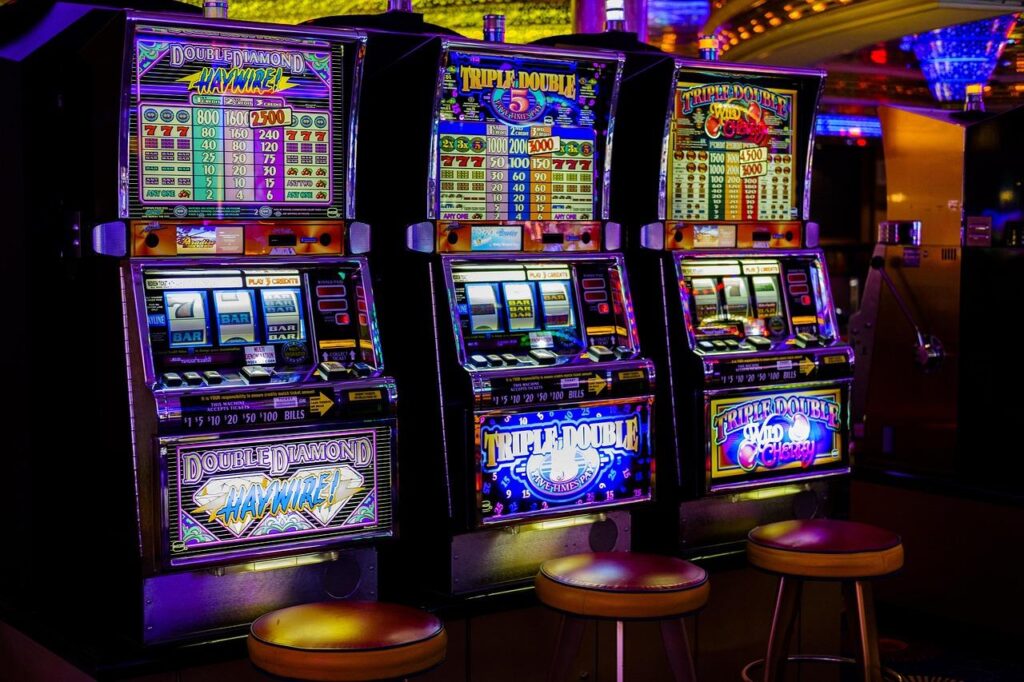
The way people interact with digital entertainment has reached a major turning point in 2026. For decades, the “casino experience” was defined by long hours spent at a table or a machine. However, current industry analytics tell a different story. Recent data from early 2026 indicates that median session durations have dropped by nearly 18% year-over-year. Meanwhile, the frequency of play—the number of times a player logs in—has risen by 23%. This shift signifies a move away from “marathon” gambling toward “sprint” sessions that fit into a busy, mobile-first lifestyle.
Mobile Technology Fuels the “Snackable” Gaming Trend
The primary driver of shorter sessions is the perfection of mobile casino architecture. In 2026, smartphones are more powerful than ever, allowing games to load in under two seconds. Biometric logins, such as facial recognition, have removed the friction of entering passwords, making it easy to jump in and out of an account.
Furthermore, “Instant Play” features now allow Play 971 users to engage with complex live dealer games with zero lag. Because the entry barrier is so low, players feel comfortable logging in for just a few rounds of blackjack or a handful of slot spins. This “snackable” approach to gaming treats the casino like any other social media app—a quick distraction that provides immediate feedback.
Smarter Bankroll Management Through Time Control
A fascinating development in 2026 is how players use short sessions as a strategic tool. Modern gambling education focuses heavily on “session limits.” By keeping play times short, players naturally limit their exposure to the “house edge” over time. Analytical reports from regulatory bodies suggest that players who engage in shorter, more frequent sessions tend to have better control over their budgets than those who stay for extended periods.
This is often called the “hit and run” strategy. A player sets a small goal—perhaps a 10% gain on their daily deposit—and logs off the moment they reach it. By doing this, they avoid the emotional fatigue that often leads to risky bets during long sessions.
Statistical Comparison of Session Durations
The following table highlights the shift in player behavior from the traditional model to the modern 2026 standard, showing how engagement metrics have evolved.
|
Metric Category |
Traditional Model (Pre-2024) |
Modern Model (2026) |
Trend Impact |
|
Avg. Session Length |
45–60 Minutes |
12–22 Minutes |
60% Decrease |
|
Daily Login Frequency |
1.2 Times |
4.8 Times |
300% Increase |
|
Primary Device |
Desktop / Physical |
Mobile Smartphone |
Mobile Dominance |
|
Transaction Speed |
24–48 Hours |
Under 15 Minutes |
Instant Payouts |
Game Design Adapts to Faster Player Rotations
To keep up with this new behavior, game developers are changing how they build titles. In 2026, “Turbo Mode” and “Hyper-Spins” are standard features in almost every new slot release. These tools allow a player to complete 50 rounds in less than a minute. This matches the desire for high-intensity play within a very small time window.
The Rise of “Crash” and Instant-Win Games
Traditional slots are being joined by “Crash” games, which are the fastest-growing category in 2026. In these games, a multiplier rises quickly, and the player must “cash out” before the game crashes. A single round can last only five seconds.
- Fast Outcomes: Players get an immediate result, allowing for many rounds in a five-minute session.
- Social Elements: Real-time leaderboards show who cashed out at the highest multiplier.
- Mobile Optimization: These games use simple graphics that save battery life and load instantly on 5G networks.
Regulatory Features Encourage Shorter Play
Governments and commissions have also played a role in the rise of the short session. In 2026, many regions require “reality checks” to appear on-screen every 15 to 30 minutes. These pop-ups show the player exactly how much they have won or lost and how long they have been active.
These tools break the “trance” that can sometimes occur during gambling. By forcing a moment of reflection, they encourage players to take a break and end their session. This alignment between player safety and modern habits has made short-session play a cornerstone of “Responsible Gaming 2.0.”
Psychological Benefits of Brief Interactions
From a mental health perspective, shorter sessions may reduce the “sunk cost fallacy.” This is the feeling that you must keep playing to win back what you have lost. When a session is only 15 minutes long, the emotional investment is lower. If the session ends in a small loss, it is easier for the player to walk away and try again another day, rather than chasing the loss in a state of frustration.
Key Psychological Advantages
- Lower Stress Levels: Brief play prevents the high-cortisol spikes associated with long-term wagering.
- Better Focus: Players remain more alert and make better decisions over 15 minutes than over 3 hours.
- Reduced Burnout: Frequent short bursts of fun keep the hobby feeling “fresh” rather than like a chore or a habit.