
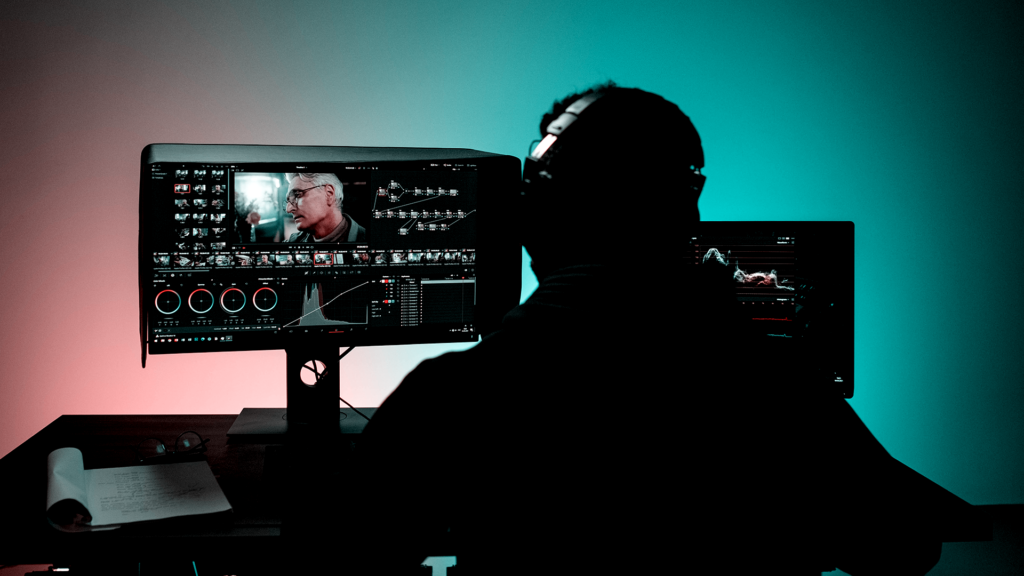
Drones Sound Effects in Modern Audio Production
Drones are sustained audio textures used to create atmosphere, tension, and depth across film, games, trailers, podcasts, and digital media. Unlike short sound effects designed around a single action, drone recordings develop gradually over time and remain present in the background without major tonal changes. Editors and sound designers use these recordings to support visual storytelling, maintain continuity between scenes, and strengthen cinematic atmosphere without distracting attention from dialogue or foreground action.
Why drone recordings create atmosphere
Film and television productions often depend on subtle background audio to maintain continuity between scenes. Large industrial facilities, remote landscapes, underground spaces, and futuristic environments usually require long atmospheric layers that continue naturally during camera movement and dialogue. In many productions, drones sound effects help establish suspense gradually while supporting visual movement in a controlled and unobtrusive way. Editors frequently adjust equalization and reverb so the recordings fit naturally into each acoustic environment.
Sustained atmospheric layers also help scenes feel connected during quiet moments with limited action. A restrained drone layer can prevent silence from feeling unnatural while keeping the focus on visual storytelling. Horror productions often use darker atmospheric textures beneath environmental ambience to increase tension before dramatic scenes. Science fiction films commonly rely on electronic drones to support spacecraft interiors, laboratories, and industrial settings.
Different types of drone recordings
Several categories of drone recordings are used in modern sound design depending on the style and purpose of a project. Cinematic drones usually contain deep atmospheric textures designed for suspense scenes, dramatic transitions, and trailer editing. Industrial drones often include electrical hums, metallic resonance, machinery noise, and distant mechanical movement. Ambient drones are softer and more restrained, making them suitable for documentaries, exhibitions, meditation content, and atmospheric background environments.
Electronic synth drones are commonly used in futuristic productions and science fiction games because they create artificial sonic environments without relying on traditional musical structure. Natural environmental drones may also include wind movement, underground resonance, or distant urban textures that help define a location through subtle background sound. Editors often combine several drone styles together to create more detailed and realistic environmental audio during longer scenes.
Use in games and interactive media
Interactive media requires environmental audio that can continue naturally during extended gameplay sessions. Exploration based games, underground facilities, survival horror settings, and open world environments often depend on layered ambience to maintain immersion across larger digital spaces. Audio teams process recordings with spatial effects to create depth and movement inside virtual environments.
Many developers rely on drones sound effects because sustained atmospheric movement helps prevent repetitive background loops from becoming distracting during longer scenes. Distant resonance, industrial textures, and low frequency layers also help players understand environmental changes through sound rather than visual information alone. Slow evolving recordings work especially well in suspense driven games where atmosphere is more important than constant action.
Layering and cinematic transitions
Sound designers often rely on multiple audio layers working together within the same scene. Editors usually begin with a sustained drone recording before adding environmental ambience, distant textures, or subtle mechanical details underneath. This process helps create a more realistic and immersive listening environment while maintaining clarity throughout the scene. Careful balancing is important because excessive low frequency content can reduce dialogue clarity during complex sequences.
Trailer editors frequently combine sustained atmospheric recordings with impact sound effects during dramatic transitions or title sequences. The drone layer gradually builds tension before a visual change, while the impact adds emphasis during cuts, reveals, or cinematic moments. Equalization, stereo widening, distortion, and reverb are also used during editing to shape recordings and maintain consistency across different scenes.
Conclusion
Drones sound effects remain a practical tool in modern sound design because they help build tension, maintain scene continuity, and support emotional depth without overpowering foreground audio. Editors and sound designers use different drone styles to shape environments ranging from industrial interiors to restrained cinematic sequences. Careful layering, balanced processing, and organized editing workflows all contribute to more immersive and controlled audio production across a wide range of creative projects.
Boom Sound Effects in Cinematic and Game Production
Boom sound effects are deep low frequency audio recordings used to create impact, tension, and scale in modern media production. These sounds are commonly heard in film trailers, action scenes, video games, cinematic transitions, and dramatic visual sequences. Unlike standard sound effects that focus on smaller environmental details, boom recordings are designed to add weight and intensity to important moments inside a scene. Editors and sound designers use them to support explosions, large object movement, distant impacts, collapsing structures, and suspense driven sequences that require stronger low frequency presence.
What makes boom recordings different
Boom recordings are usually built around deep bass frequencies combined with additional textures such as distortion, environmental resonance, mechanical noise, or cinematic ambience. Some recordings are short and aggressive, while others continue for several seconds to create a more sustained effect. The purpose of these sounds is not only to increase volume but also to create a physical sense of movement and scale that audiences can feel during playback.
Modern sound libraries often include several categories of boom recordings. Cinematic booms are designed for trailers and dramatic visual transitions. Industrial booms contain metallic resonance and machinery movement suitable for factory environments or science fiction settings. Atmospheric booms are commonly used in suspense scenes, cinematic reveals, title sequences, and large scale action editing where deeper low frequency impact helps strengthen transitions and visual intensity.
How boom sounds are used in film
Film editors regularly rely on boom sound effects during transitions, title reveals, explosions, and large cinematic moments. These recordings help scenes feel larger and more immersive without depending entirely on musical scoring. Deep bass movement can also direct audience attention toward important visual actions during editing.
Action productions often layer several boom recordings together to strengthen destruction scenes or large environmental movements. Science fiction films frequently combine cinematic booms with electronic textures and distant mechanical resonance to create futuristic atmospheres. Suspense productions may use slower low frequency movement to increase anticipation before a dramatic reveal.
Careful sound balancing is important during editing because excessive bass can reduce dialogue clarity or overwhelm other sound layers. Editors often use equalization, compression, and reverb processing to fit boom recordings naturally into the final audio environment.
Boom sounds in video games
Game developers use low frequency impact recordings because interactive environments depend heavily on immersive sound design. Combat scenes, explosions, environmental destruction, and cinematic cutscenes often include deep bass impacts to increase realism and movement inside gameplay.
Open world games may use restrained low frequency impacts during large environmental events such as collapsing bridges, underground movement, or weather effects. Horror games may combine slow bass movement with environmental ambience to create discomfort and tension during exploration sequences.
Because games can contain long periods of environmental interaction, sound designers process impact recordings carefully so they remain effective without becoming repetitive or overwhelming during extended gameplay sessions.
Layering and editing techniques
Professional sound design rarely depends on a single audio recording. Most cinematic scenes contain several layers working together to create depth and realism. Editors may begin with a deep bass layer and then add tonal ambience, mechanical textures, environmental resonance, or distant low frequency movement underneath.
Low frequency cinematic impacts are often layered with softer atmospheric recordings to prevent scenes from feeling empty after visual transitions. Some productions also combine low frequency movement with horror sound effects during suspense sequences to support psychological tension without relying entirely on loud audio cues.
Additional processing techniques such as stereo widening, distortion, saturation, and transient shaping are commonly used to control the character of a boom recording. These adjustments help sound designers match recordings to specific environments and visual scenes more accurately.
Choosing high quality boom recordings
Professional editors generally prefer high resolution WAV files because they preserve low frequency detail during processing and mastering. Organized metadata systems are also important because they help editors locate recordings according to duration, intensity, environment type, or tonal style.
Modern sound libraries usually provide cinematic booms, industrial impacts, environmental resonance, and hybrid bass textures organized into searchable categories. Clear organization improves workflow efficiency during larger productions involving multiple editors or fast editing schedules.
Sound quality is especially important with low frequency recordings because distorted bass or poorly balanced impacts can reduce overall clarity during final mixing. Clean recordings provide more flexibility during equalization and layering.
Conclusion
Boom sound effects remain an important part of modern sound design across film, trailers, games, podcasts, and digital media production. Their ability to create scale, tension, and cinematic impact makes them useful during action scenes, dramatic transitions, suspense sequences, and environmental movement. Different boom styles support different production needs, from industrial science fiction environments to restrained cinematic storytelling. When combined with careful layering and controlled editing techniques, these recordings help create more immersive and realistic audio experiences for modern audiences.
The new producer mindset inspired by film sound design
Music producers once focused mostly on melody, rhythm, and balance. Today, the job reaches much further because modern content moves fast and visuals carry more emotional weight than ever before. As a result, producers now mold sound in a way that is closer to film sound design. They build atmosphere, guide emotion, and create movement inside a scene, even when the project is only a short video or trailer.
This shift happened because audiences expect stronger audio experiences across every platform. A social ad, game trailer, livestream intro, or cinematic reel now competes for attention in crowded feeds. While clean music still matters, sound texture and detail often decide if a moment is exciting or flat. Because of that, producers spend more time working with layered hits, transitions, low-end energy, and spatial effects that support visuals naturally.
Sound now drives visual emotion
In the past, music often carried most of the emotional message. However, editors and producers now rely heavily on sound layers that guide how movement feels on screen. A simple camera cut may seem ordinary until a deep hit, rising tension sound, or heavy slam gives it presence.
Film sound designers have understood this idea for decades. They know that small details can change how audiences react to a scene. Modern producers apply the same thinking when building tracks for trailers, branded videos, or game content. Instead of treating sound as background support, they treat it as part of the storytelling itself.
Because visual editing has become faster, audio must react with equal speed. Tight transitions, dramatic pauses, and rhythmic accents help scenes feel connected. This is why cinematic audio tools have become part of everyday production work rather than a niche addition used only in film studios.
Producers build songs and scenes
Many modern productions no longer follow a traditional song structure. Instead, they move through sections that rise and fall like scenes inside a movie. Energy builds slowly, tension increases, and then a dramatic moment lands with force before the pace changes again.
To create this flow, producers layer drums with textured impacts, deep rumbles, and motion effects. These sounds help introduce momentum while also giving visuals a physical feel. Since audiences respond strongly to audio cues, each transition becomes more memorable when sound design supports the edit.
This approach explains why cinematic sample libraries and advanced VST tools have become important in music production. Producers want sounds that already carry depth, movement, and character because they save time while still sounding polished.
As editing styles continue to evolve, producers also think more carefully about silence and spacing. A short pause before a large hit can create stronger tension than constant noise. Film sound designers use this technique often, and music producers now use it in trailers, teasers, and digital campaigns as well.
The impact of layering
Professional sound design rarely depends on one sound alone. Instead, multiple layers work together to create a final result that is detailed and powerful. A heavy cinematic hit may contain low bass movement, sharp attack sounds, metal textures, and subtle distortion underneath.
This method allows sounds to feel large without becoming muddy. While one layer adds weight, another adds clarity. Small textures can also help a sound cut through dense mixes without overpowering dialogue or music.
Because modern audiences listen through headphones, phones, gaming systems, and theater speakers, producers must think carefully about how sounds translate across different devices. Clean layering helps maintain clarity even when playback conditions change.
For this reason, many creators search for high-quality impact sound effects that already contain balanced layers and professional shaping. Well-designed sounds reduce editing time and fit naturally into cinematic mixes.
Changed production styles
The rise of gaming content and short-form video pushed producers further toward cinematic sound design. Games rely heavily on reactive audio because sound helps players feel movement, danger, and speed. Meanwhile, short videos need to create emotion almost instantly.
Since attention spans are shorter, producers cannot wait long to establish energy. Strong audio cues quickly signal tension, excitement, or scale. Fast transitions, deep pulses, and carefully timed hits now appear across nearly every form of digital media.
At the same time, editing software has become more advanced and accessible. Smaller creators can now use tools that once belonged mainly to large post-production studios. As these tools spread, cinematic audio styles became common across online content.
This change also increased demand for detailed boom sounds that add size and depth to transitions or dramatic visual moments. When used carefully, low-frequency energy helps scenes feel larger without distracting from the main action.
Sound libraries and creative speed
Deadlines move quickly in modern production environments. Because editors and producers often work under pressure, professionally designed sound libraries help projects move faster while maintaining quality.
Instead of building every sound from scratch, producers can focus on timing, arrangement, and emotional pacing. High-quality assets also make experimentation easier since different sounds can be tested quickly against visuals.
At the same time, modern sound libraries provide more than simple effects. Many include cinematic textures, layered transitions, designed impacts, tonal elements, and processed recordings that fit naturally into modern mixes.
As a result, producers think less about separating music and sound design into different categories. They treat both as parts of one creative system that supports emotion, pacing, and visual storytelling together.
The future of production
The line between music production and film sound design continues to fade because modern media depends on emotional audio detail. Producers now tailor movement, tension, and atmosphere in ways that once belonged mainly to cinema. While technology helped drive this change, audience expectations pushed it even further.
Strong sound design no longer sits quietly behind visuals. Instead, it helps define pacing, emotion, and scale across every type of content. Because of this shift, professionally crafted impact sound effects remain an important part of modern creative work, helping producers build experiences that feel clear, powerful, and alive.
The value of horror sound libraries in modern trailer music
Trailer music has changed significantly during the last decade because audiences now expect emotional intensity within seconds of the first frame. While orchestral swells and percussion still influence the foundation of most cinematic trailers, sound design has become equally important as it controls atmosphere, pacing, and psychological impact. As a result, trailer music producers increasingly rely on specialized horror libraries to build suspense that is immediate and immersive.
Although horror was once tied mainly to genre films, its sonic language now appears across action, thriller, science fiction, fantasy, and even drama campaigns. This shift has happened because darker textures and unsettling tonal layers trigger emotional reactions quickly, which is essential in short-form promotional content. Consequently, producers often use horror sound effects to create urgency before the score reaches its full intensity.
Because trailers compete for attention in crowded digital spaces, subtle audio details have become critical. A distant metallic scrape, an unnatural breath, or a distorted tonal rise can transform a standard edit into something memorable. Therefore, horror-focused sound libraries have become valuable production tools rather than niche genre collections.
Horror sound libraries and emotional pacing
Effective trailers rarely depend on constant volume or nonstop action because emotional contrast creates stronger audience engagement. For that reason, producers build tension gradually through evolving textures, restrained ambience, and carefully timed impacts. Horror libraries support this process since they contain sounds designed specifically to manipulate anticipation and release.
Low drones, unstable tonal beds, and dissonant textures often appear early in a trailer because they establish unease before dialogue or music expands the scene. As the edit progresses, sharper transitions and heavier stingers increase pressure while maintaining cohesion with the score. This layered approach allows music producers to influence emotional pacing with precision.
In addition, horror sound design helps bridge gaps between visual cuts. Since trailers frequently jump between scenes rapidly, audio transitions must guide the viewer smoothly through dramatic changes in tone. Dark risers, reversed textures, and atmospheric swells create continuity even when visuals shift abruptly. Consequently, sound libraries built for suspense have become essential during modern trailer editing.
The effectiveness of these sounds also depends on restraint. Instead of overwhelming a scene, experienced producers often use minimal details that sit beneath the score while quietly influencing emotional perception. A faint tonal movement or distant impact can create anxiety without drawing obvious attention to itself. Therefore, high-quality sound libraries prioritize texture and depth rather than excessive loudness.
Cinematic sound design
Although trailer music traditionally focused on melody and percussion, contemporary productions blur the line between music composition and sound design. This evolution has increased demand for libraries that contain cinematic textures capable of blending naturally with orchestral and hybrid scores.
Sound designers and composers frequently layer impacts, pulses, and atmospheric elements directly into musical arrangements because this technique creates a larger and more immersive sonic image. Instead of functioning separately, music and sound effects now interact continuously throughout many trailers. As a result, producers search for libraries that provide tonal compatibility and cinematic detail.
Dark textures are especially valuable because they create movement beneath sustained musical passages. When a scene holds on dialogue or slow-motion visuals, subtle horror-inspired ambience prevents the mix from feeling static. At the same time, carefully designed stingers enhance transitions into larger musical moments, which increases dramatic payoff.
Furthermore, horror libraries often include processed organic recordings such as breaths, whispers, metallic resonance, and distorted environmental textures. These elements introduce realism into highly stylized trailer music. Since audiences respond strongly to sounds that feel physical and close, layered organic detail can make a trailer feel more intense and emotionally immediate.
Psychological sound influences audience attention
Trailers succeed when they maintain attention from beginning to end, yet modern audiences consume content rapidly and often decide within seconds whether to continue watching. Because of this behavior, producers use psychological sound techniques that capture focus immediately.
Suspense-oriented sound design works effectively because the human brain naturally reacts to uncertainty and unresolved tension. Unstable frequencies, evolving drones, and sudden tonal shifts create subconscious anticipation that keeps viewers engaged. Therefore, horror sound effects are often used even in non-horror campaigns since they create emotional urgency without requiring explicit visual danger.
Another important factor involves silence and negative space. Horror libraries frequently include sparse textures that allow editors to infuse contrast more effectively. Instead of filling every moment with dense audio, producers can leave controlled gaps that increase the impact of the next transition or musical hit. This technique creates rhythm within the trailer while maintaining tension throughout quieter scenes.
Additionally, layered suspense textures improve perceived scale. Even when visuals remain relatively simple, deep atmospheric sound design can make a scene feel larger, darker, and more cinematic. Because emotional scale is essential in trailer marketing, producers depend on detailed audio elements that expand the viewer’s sensory experience.
Benefits of specialized libraries
Trailer production often happens under demanding deadlines because campaigns move quickly through multiple revisions and approvals. As a result, producers need sound libraries that allow fast access to polished, mix-ready material.
Specialized horror collections save time because they organize sounds around cinematic tension, suspense, and impact rather than generic categories. Instead of heavily processing raw recordings manually, editors can work with professionally designed assets that already fit trailer workflows. Consequently, production teams maintain creative momentum while reducing technical delays.
Consistency also matters during large-scale campaigns. Since trailers may require multiple versions for different platforms and durations, producers benefit from libraries that share a unified sonic identity. Cohesive ambience, impacts, and transitions help maintain continuity across every cut of the campaign.
Moreover, modern trailer mixes demand clarity alongside intensity. Poorly designed sounds can conflict with dialogue, music, or narration, which creates unnecessary mixing challenges. High-quality libraries solve this issue by delivering clean, cinematic elements that occupy the right frequency space without overwhelming the arrangement.
The future of cinematic trailer sound
As trailers continue evolving toward more emotionally aggressive sound design, horror-inspired audio will likely remain central to cinematic marketing. Producers increasingly value textures that create psychological tension because modern audiences respond strongly to atmosphere and emotional pacing.
At the same time, cinematic storytelling continues to combine genres, which means suspense-driven sound design now extends far beyond traditional horror projects. Atmospheric layers, tonal movement, and dramatic transitions have become universal production tools within trailer editing.
Because emotional engagement often begins with sound before visuals fully register, expertly crafted horror sound effects continue shaping the modern trailer landscape. Through tension, texture, and carefully controlled unease, these libraries help producers create trailers that feel larger, darker, and impossible to ignore.
How Sound Effects Make Everyday Video Edits Feel More Professional
Visual content often appears simple when viewed from the outside, because a product shot may glide across the screen, a title may appear, or a camera may cut from one angle to another without much obvious complexity. Yet the difference between an edit that feels flat and one that feels polished often comes down to the sound choices working underneath the visuals.
Small sound details give movement a stronger sense of purpose by helping the viewer feel a cut, a transition, or a shift in energy without pulling too much attention away from the image. This is why editors, content creators, and filmmakers often rely on whoosh effects when shaping modern video, especially when they want movement to feel smoother, cleaner, and more intentional. Sound is not only used to fill silence, since it also guides attention, supports rhythm, and makes visual movement feel more natural inside the edit.
Why visual movement feel stronger with sound.
Most edits are built around movement, whether that movement comes from a camera pan, a logo animation, a product reveal, or a simple cut from one idea to the next. Without sound, those movements can still be understood by the viewer, but they may feel unfinished because there is nothing helping the transition carry emotional weight.
Transition sounds help connect visual movement with emotional movement, which is why a soft sweep can make a calm edit feel elegant while a sharper whoosh can make a fast cut feel energetic. A deeper pass-by sound can also make a cinematic moment feel larger, especially when the visual already suggests speed, scale, or dramatic motion.
The best sound effects do not compete with the image, but instead support what is already happening on screen and help the viewer feel that every movement belongs in the edit.
Smoother transition through better sound design
Transitions are one of the most common places where sound makes a clear difference, because even a simple cut can feel more intentional when the right sound sits beneath it. The effect does not need to be loud or dramatic, but it should match the speed, direction, and feeling of the visual moment.
A fashion video may use soft air-like movement to support fabric, camera motion, or a smooth title reveal, while a technology video may need cleaner digital sounds that match interface animation and product movement. A sports edit, on the other hand, may call for faster and heavier movement sounds that match speed, impact, and intensity without making the scene feel overdone.
The key is choosing a sound that fits the pace of the scene, because an effect that is too large can make the edit feel exaggerated, while an effect that is too weak can leave the transition feeling empty.
Why subtle sounds often work best
Not every moment needs a dramatic sound, and in many edits the most effective sound design is quiet enough to stay in the background while still giving shape to the movement. A gentle whoosh under a title can make the animation feel smoother and more polished without pulling attention away from the message or the main visual idea.
This matters especially in brand videos, product content, social media ads, and lifestyle edits, where the sound design should make the work feel professional without making it feel too heavy. These formats usually need polish, but they also need restraint, because viewers should notice the flow of the edit more than the individual effects inside it.
Strong edits often use sound in layers, with a light movement sound supporting a transition while ambience or music carries the broader emotional tone. When these elements work together, the whole video feels more complete and the viewer experiences the edit as one connected piece.
Matching sound to the mood of the video
Different projects need different textures, because a cinematic trailer may require bold and dramatic movement while a beauty campaign may need soft and smooth transitions. A documentary may only need light motion sounds to guide the viewer through cuts and visual changes without making the story feel overly produced.
This is why variety matters in sound design, since editors need sounds that can match different genres, speeds, and emotional tones. The same effect that works for an action montage may feel too strong for a calm product video, while a subtle sound that works beautifully in a lifestyle edit may not have enough energy for a trailer.
High-quality whoosh effects give creators more control over these choices because they can add speed, tension, elegance, or impact depending on how they are placed in the edit.
The role of sound libraries in faster editing
Modern editors often work under tight timelines, especially when creating social campaigns, YouTube videos, trailers, reels, and branded content that all require quick creative decisions. Having reliable sound effects ready to use can make that process easier because the editor does not need to build every transition sound from scratch.
Instead of designing each sound manually, editors can choose prepared sounds that already have shape, movement, and detail while still adjusting them to fit the exact rhythm of the project. These sounds can be layered, shortened, reversed, stretched, or combined with music and ambience to create a more polished result.
Platforms such as Ocularsounds focus on professionally designed audio assets for creators, helping editors find cinematic sounds that can support films, trailers, games, branded content, and social media videos without slowing down the creative process.
Sound makes edits feel finished
A strong visual edit needs rhythm, and sound plays a major role in creating that rhythm because it tells the viewer when something is moving, when a transition matters, and when the energy of a scene is changing. Even when the audience does not consciously notice each sound, they often feel the difference through the way the edit flows.
A silent transition can feel empty, while a poorly matched effect can feel distracting because it pulls the viewer out of the visual experience. The right sound sits naturally inside the edit, makes the movement feel complete, and adds polish without making the project feel crowded.
This is why sound design remains important in everyday video production, whether the project is a short social clip, a product launch, a documentary sequence, or a cinematic trailer. Movement sounds help visuals feel connected, and they give editors a practical way to shape energy without adding unnecessary visual complexity.