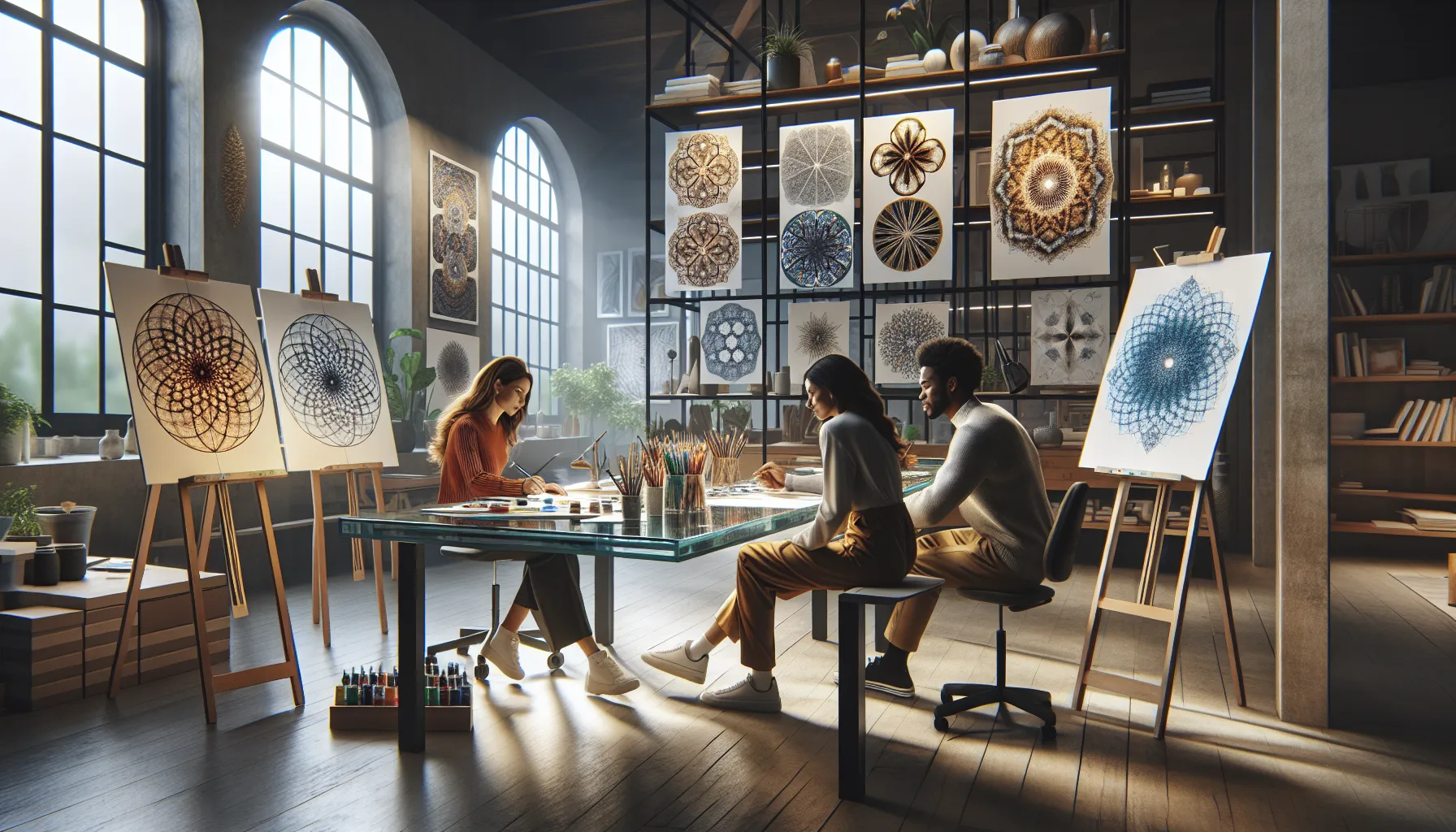

Ever looked at a seemingly random string of letters and wondered if it held deep meaning? We’ve all been there, right? In today’s world, where chaos reigns supreme, visual patterns emerge like musical notes in a cacophony. They not only captivate our attention but also tell stories older than time itself. Buckle up as we jump into the mesmerizing universe of visual patterns, exploring their significance, cultural interpretations, and even psychological effects. It’s not just about what we see: it’s about how it resonates with us.
iiiiiiiiiïïiîîiiiiiiiîiîii

Historical Context of Symbolic Representations
Let’s take a moment to journey back in time. Visual patterns have been woven into the fabric of human culture for millennia. From ancient hieroglyphs in Egypt to the intricate designs found in Native American art, symbols have always had stories to tell. These representations were not just decorative: they conveyed meanings, beliefs, and rituals that defined societies. By studying these patterns, we can uncover the values and priorities of cultures that have long since vanished. It’s almost like looking back through a glass window into the soul of humanity.Cultural Interpretations Across Different Societies
As we traverse the globe, we discover that different societies interpret patterns in unique ways. For instance, in many East Asian cultures, the spiral represents growth and evolution, while in African art, repetitive geometric patterns often signify community and unity. This diversity in interpretation highlights how visual patterns resonate with various psychological and cultural frameworks. We can’t ignore how these symbols silently link us to our past and shape our interactions with each other today.Exploring Psychological Responses to Repetition

The Impact of Patterns on Human Behavior
The human brain is wired to respond to repetition. Whether it’s the beat of a favorite song or the intricate designs in a painting, patterns create familiarity and comfort. We often find ourselves drawn to these repetitions, often without understanding why. Research suggests that encountering repeated patterns can trigger a sense of security, making us feel at ease in our surroundings. On a subconscious level, patterns engage us. They help enhance memory retention and even improve mood, acting as visual anchors in our day-to-day lives.Art and Design: The Use of Patterns